Uganda's demand for tents keeps growing alongside its events, construction, and small-business sectors, and the manufacturing side of that industry is still open to new entrants who do the basics right. This guide walks through the practical steps of setting up a tent manufacturing business in Uganda, from registering the company to getting the right equipment and finding your first clients.
Step 1: Research the Market and Pick a Niche
Before buying any equipment, get clear on what kind of tents you'll focus on, since "tents" covers very different products with different machinery, suppliers, and customers. Event and wedding tents have steady year-round demand but face the most competition in Kampala. Car shades, carports, and tarpaulin covers serve businesses rather than individuals and often come with repeat or bulk orders. Camping and outdoor tents are a smaller niche tied to Uganda's tourism sector. Many successful manufacturers eventually offer more than one of these, but starting with one keeps your initial investment manageable.
Step 2: Register Your Business
Tent manufacturing in Uganda is formally registered through the Uganda Registration Services Bureau (URSB), now handled through its online portal. A sole proprietorship is the simplest and cheapest structure to register if you're starting small, while a private limited company (or a Single Member Company if you're the sole owner) offers more legal protection and credibility with larger institutional clients like churches, schools, and corporates.
The general process involves reserving a business or company name through URSB's online system, choosing your entity type, and submitting the required forms and identification documents. Once incorporated, you'll need to register for a Tax Identification Number (TIN) with the Uganda Revenue Authority, and secure a trading license from your local authority, such as KCCA if you're operating in Kampala. If you eventually employ five or more workers, you're also required to register them with the National Social Security Fund (NSSF).
Step 3: Get the Right Equipment
Tent manufacturing equipment splits into two main categories: machinery for the fabric and machinery for the frame.
- For the fabric: Heavy-duty industrial sewing machines capable of handling canvas and PVC-coated fabric, a hot-air or high-frequency welding machine if you plan to weld PVC seams rather than stitch them, a grommet press for eyelets, and cutting tools for shaping fabric panels.
- For the frame: A pipe-bending machine for shaping steel or aluminum tubing into arches and supports, welding equipment, and basic metalworking tools for joints and fittings.
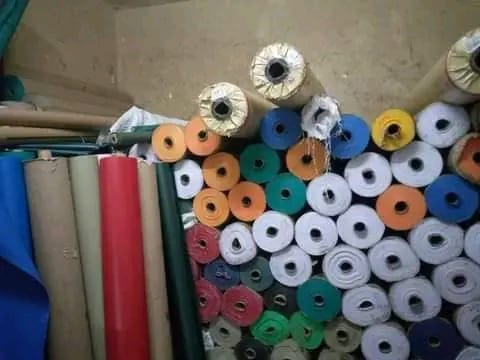
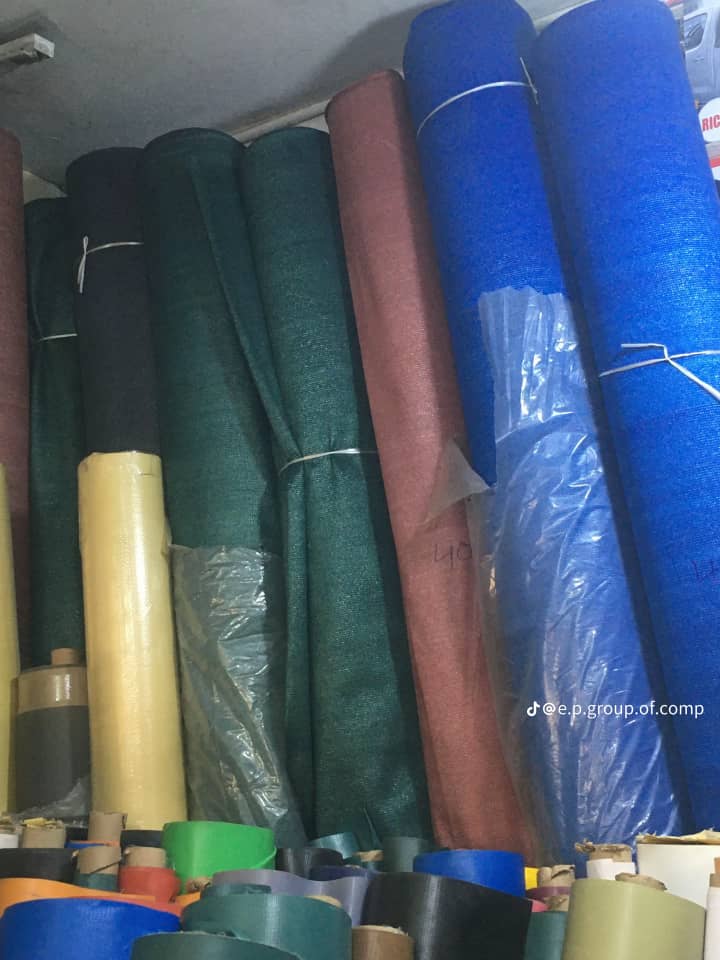
- Raw materials: Canvas or PVC-coated polyester fabric, galvanized steel or aluminum tubing, ropes, pegs, connectors, and thread rated for outdoor use.
Many manufacturers start by outsourcing frame welding to a separate metal workshop while focusing their own equipment on fabric work, then bring frame production in-house as the business grows.
Step 4: Source Suppliers and Raw Materials
Fabric, steel tubing, and hardware can be sourced from wholesalers and industrial suppliers around Kampala, particularly in areas like Kisenyi, William Street, and Nakawa, where general construction and textile materials are concentrated. PVC-coated fabric in heavier grades is sometimes imported, so it's worth building a relationship with at least one reliable importer or distributor early on, since fabric quality is the single biggest factor in how your finished tents perform.
Step 5: Set Up Your Workshop
You'll need enough floor space to lay out and cut large fabric panels, plus a separate area for frame welding if you're doing that in-house. Many manufacturers set up along major roads like Jinja Road, in Nakawa, Kireka, or Bweyogerere, both for affordable workshop space and easy access for clients and delivery vehicles across Kampala.
Step 6: Hire and Train Skilled Labour
Tent making relies on a mix of tailoring and basic metalwork skills. Experienced canvas or PVC tailors are not always easy to find, so many manufacturers train workers on the job, starting with simpler products like cake tents or small gazebos before moving them onto larger event tents.
Step 7: Price Your Products and Build a Client Base
Price your tents based on your actual material and labour costs plus a margin, rather than copying a competitor's listed price, since fabric and steel costs shift with import prices. Early clients are usually easier to win through direct outreach: churches, schools, event planners, and corporate offices are all repeat or referral-generating customers if your first job goes well. Offering free site visits, as several established Kampala manufacturers do, is a low-cost way to build trust with first-time clients.
Step 8: Market Your Business
A simple website or even just an active WhatsApp Business number, paired with photos of completed installations, goes a long way in this industry, since most buyers want to see real examples before committing. Social media platforms like Instagram, Facebook, and TikTok are widely used by Kampala tent manufacturers to showcase finished work, and a tent set up at any public event doubles as free advertising if it's branded with your business name and contact.
Common Challenges to Plan For
- Weather-dependent installation: Heavy rain can delay outdoor setups, so build buffer time into your delivery schedule, especially during the rainy seasons.
- Import cost fluctuations: PVC fabric and steel prices can shift with currency and import conditions, so avoid locking in long-term fixed prices without a buffer.
- Competition: Kampala already has a number of established manufacturers, so differentiating on quality, turnaround time, or a specific niche (like car shades or exhibition tents) matters more than competing purely on price.
- Seasonal demand: Wedding and event season, school calendars, and the festive period all create demand spikes, so plan staffing and material stock around these periods rather than assuming steady year-round demand.
Looking to Order Tents, Not Make Them?
Chrishma Tents manufactures event, wedding, church, camping, and business tents with free site visits across Kampala, Namboole, and Bweyogerere.
Get Your Free QuoteFor more background, see our overview of tents in Uganda, our complete guide to quality tents, or our breakdown of tent types made by Kampala manufacturers.