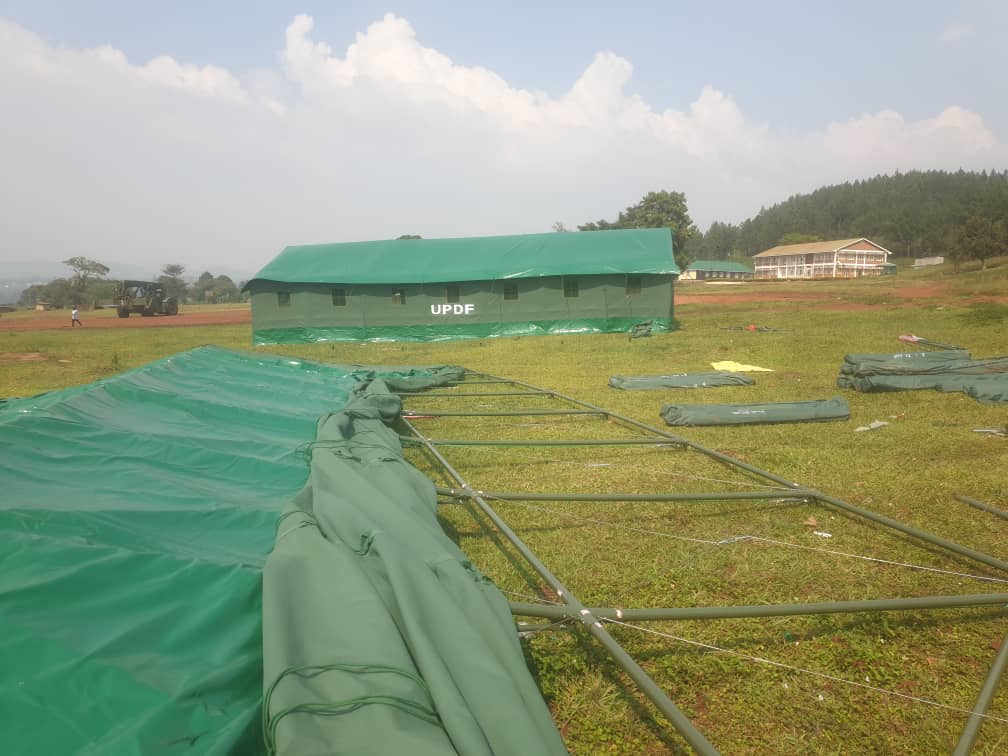
Uganda just like any other country has events where quality tents are paramount: events which could be weddings, birthday parties or any other celebration. Sometimes we just need tents for sheltering our cars to prevent the direct effects of weather. So in Uganda, tent manufacturing industry has become important more than ever because of its climate being the number one factor on the other hand it is the number of events making tents more valuable because of the high demand. But for sheltering cars and other stuff its important to get a durable tent which is why chrishmatents comes in with durable tents not for getting the comfort of wedding tents even though comfort compromises durability.
Why Tents Matter in Uganda's Climate
Uganda's weather alternates between high intensity equatorial sun and suddenly, heavy rains mostly in the region of the great lakes where the central region is, that is why we are centered in the central region. Which is why our well-made tent gives shelter for both events, businesses and institutions. This climate is also why material choice matters so much locally cause a tent material built for desert conditions can not withsatnd our equatorial Climate cause of the rains: Which is why our tents are built with the climate in mind. Tents matter in this climate inorder to prevent the disruption of events, inorder to shelter personal properties.
Where Tents Are Used Across Uganda
- Weddings and send-offs: Bridal and reception tents fall in this section, often they come with paired with chairs, decor, and lighting.
- Churches and crusades: Many congregations use large tents for overflow seating, specifically 100seater 1000seater tents fall here , or as a temporary worship space while a permanent building is under construction.
- Schools: Tents cover assemblies, sports days, graduation ceremonies, and exam halls when classroom space runs short.
- Camping and outdoor recreation: Smaller canvas or nylon tents are used for weekend getaways, eco-tourism sites, and adventure camps around places like Jinja, Mabira, and the national parks.
- Corporate and government events: Product launches, exhibitions, trade fairs, and official functions regularly use branded tents for both shelter and visibility.
- Business and storage: Beyond events, businesses use tarpaulin shades and carports to protect vehicles, equipment, market stalls, and construction sites.
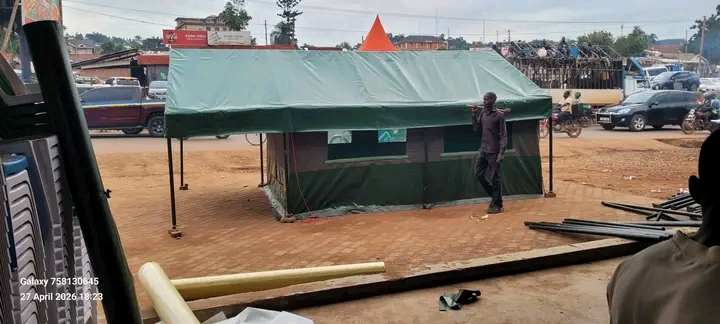
Uganda is a growing country so, is the tent manufacturing industry
Most of Uganda's top tent manufacturers are based in and around Kampala, with workshops clustered along Jinja Road which you can check on the google maps, in Nakawa, Kireka, Ntinda, and Bweyogerere. The industry has grown rapidly from grass roots into a handful of small canvas workshops a that grow in decades and now a competitive one with manufacturers producing everything from simple gazebos to 200-seater event tents, car shades, and industrial PVC covers. Local manufacturing also means faster turnaround and lower cost than importing tents and also economic development, since buyers can get a tent custom-sized and delivered within days rather than weeks or may be months due time extralong delivery time.
What a Tent Is Actually Made Of
Most tents, from not only in Uganda are mostly built with mainly two components: a cover and a supporting frame mainly stainless steel if durability is in the back of the mind. The cover is usually in most cases either heavy canvas or PVC-coated polyester, both treated to resist UV damage and rain and we know PVC is very durable that comes from my personal experiencey. The frame as i mentioned earlier is in most cases stainless steel or just galvanised steel tubing for permanent or semi-permanent structures, with lighter aluminum or steel frames used for portable gazebos and smaller tents. Quality varies a lot between manufacturers, which is why it's worth asking direct questions about material grade and frame treatment before buying, also the quality sometimes depends on the price. But i gatta say that galvanised frames last longer and are more expensive they are more resistant than stainless steel coated frames.
Buying vs Hiring a Tent
If you only need a tent for a single event, for for sheltering your personal materials, hiring, buying respectively is just the best option since most manufacturers and event hire companies in Kampala offer tents along with chairs, tables, and decor as a package. If you run a church, school, venue, or business that needs a tent regularly, buying outright tends to pay for itself faster, and many manufacturers will build to your exact size and branding requirements.
Looking for a Tent in Kampala?
Chrishma Tents manufactures event, wedding, church, camping, and business tents, with free site visits across Kampala, Namboole, and Bweyogerere.
Get Your Free QuoteYou might also like our overview of tents in Uganda, our breakdown of tent types made by Kampala manufacturers, or our list of the Top 10 tent manufacturers in Kampala.